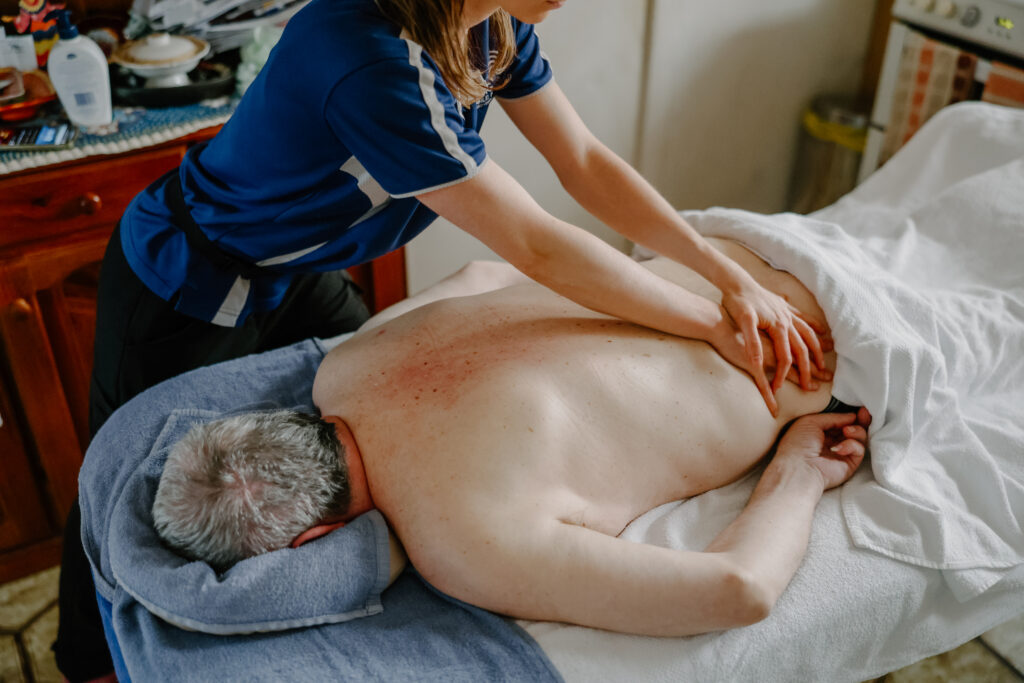
Remedial massage is an assessment-based specialised manual therapy that addresses specific conditions, impairments and dysfunctions such as muscle stiffness, reduced range of motion, pain, and mobility issues.
Health authorities explain that remedial massage involves hands-on techniques to locate and treat soft tissue problems, improve movement, and manage discomfort.
It goes beyond a standard relaxation massage by addressing deeper muscle layers to help your body function better.
When Australians choose remedial massage, they are looking for a therapy that provides measurable results for pain relief and mobility improvements.
How Remedial Massage Works in Australia
A typical session starts with a therapist assessing your muscles, posture, movements and pain points.
Therapists often use deep tissue massage, trigger point therapy, and myofascial release to work through problem areas.
This approach ensures each session is tailored to your body and addresses the root cause of discomfort, according to nib Health Funds.
Therapists may also provide guidance on stretching and posture adjustments thttps://takingcaremobilemassage.com.au/services/in-home-massage/o support long-term benefits.
Who Can Benefit from Remedial Massage in Australia
Remedial massage helps Australians with chronic muscle stiffness, sports injuries, posture-related strain, or limited mobility.
It can complement physiotherapy, exercise, and other wellness routines to maintain muscle health and physical function.
Many people use remedial massage in Australia to prevent injuries, enhance recovery, and manage everyday muscle stress.
What to Expect in a Remedial Massage Session
During a session, therapists will work on tension areas with deeper pressure than a typical spa massage.
Clients in Australia often report improvements in flexibility, reduced stiffness, and better movement after consistent sessions.


Post-session soreness is normal but usually temporary, as muscles adapt to the treatment.
Benefits of Regular Remedial Massage in Australia
Regular remedial massage sessions offer multiple benefits for Australians, including improved mobility, better posture, and reduced muscle tension.
Therapeutic massage also supports recovery after exercise, chronic pain management, and overall wellbeing.
For long-term results, consistent sessions are recommended as part of a holistic approach to physical health in Australia.
Common Misconceptions About Remedial Massage
A frequent misconception is that remedial massage is purely for relaxation.
In fact, remedial massage is assessment-based, analytical and focused on treating muscle dysfunction and improving movement.
Deep pressure and intense techniques are often necessary to target the underlying causes of pain.
Remedial Massage Services at Taking Care Mobile Massage
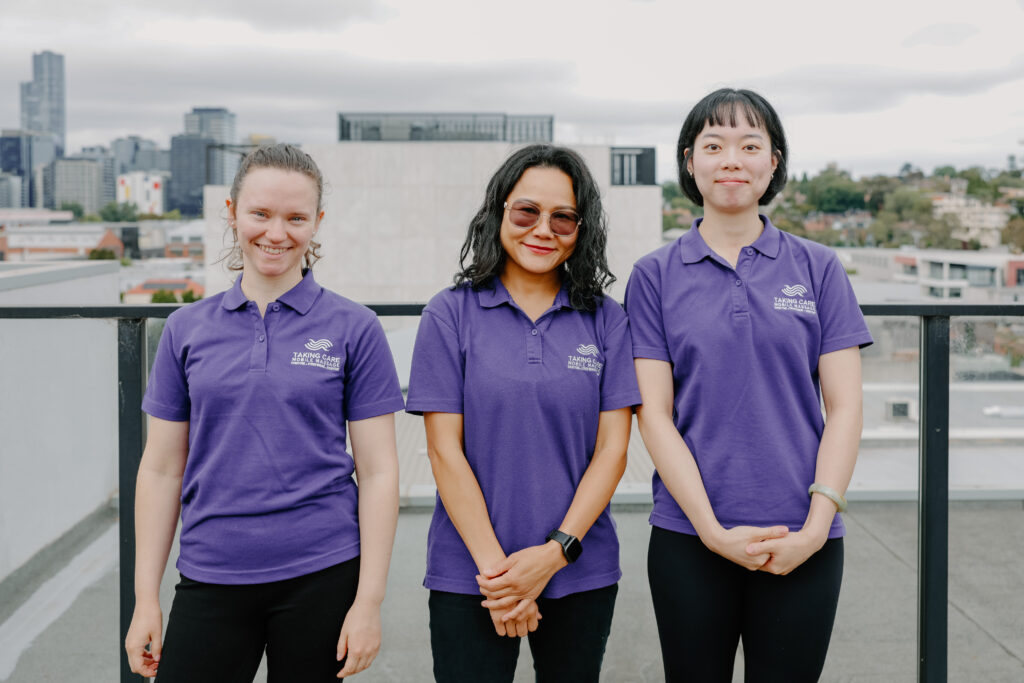
At Taking Care Mobile Massage, you can access professional remedial massage services across Victoria, New South Wales, and Queensland.
Our team delivers mobile remedial massage to your home or workplace, making it easy to improve mobility and relieve tension.
We also offer corporate massage services to help teams reduce muscle tension and enhance wellbeing at work.
For older Australians, our in-home massage services incorporate remedial techniques that can be used through Support at Home programs when eligible.
To experience the benefits of remedial massage in Australia, contact Taking Care Mobile Massage today.
Our team specialises in personalised remedial massage therapy tailored to your needs.
Book your session online or call us at 03 5943 2156 to discuss your treatment requirements.
Frequently Asked Questions
What is the difference between a remedial massage and a relaxation massage?
A normal relaxation massage, often called Swedish massage, uses lighter strokes for relaxation.
Remedial massage focuses on musculoskeletal issues, pain, tension, and dysfunction using techniques like trigger point therapy or myofascial release.
Therapists take a detailed health history and assessment before treatment.
What happens in a remedial massage?
During a remedial massage session, the therapist discusses your pain, examines problem areas, and applies pressing, rubbing, and stretching techniques.
Pressure can range from gentle to deep depending on your needs.
Areas not being treated are covered for comfort and privacy.
Do you take your clothes off for remedial massage?
You typically undress only the area being worked on, with other areas covered for privacy.
Therapists adjust according to your comfort and preference. Healthdirect Australia advises discussing this before the session.
Can massage reduce cortisol?
Massage therapy can reduce stress and may lower cortisol levels immediately after a session.
Research on PubMed notes that short-term reductions are measurable, but long-term effects vary.
Which is better, remedial or deep tissue massage?
Remedial massage is broader and may include deep tissue techniques.
Deep tissue massage targets deeper muscle layers, while remedial massage combines assessment with multiple techniques.
Healthdirect Australia recommends selecting the approach that best matches your symptoms.
What not to do after a remedial massage?
After a session, avoid alcohol for 12–24 hours, hot showers, and intense exercise.
Drinking water and resting supports recovery. Body Motion Physio details these recommendations.
What are the side effects of remedial massage?
Possible side effects include mild soreness, tenderness, bruising, or temporary fatigue.
Most are temporary and reduced by communicating pressure preferences. Healthdirect Australia provides guidance on side effects.
Which massage is most effective?
Effectiveness depends on your goals.
Swedish massage works well for relaxation, while remedial massage is more effective for pain relief, mobility improvement, and injury recovery, according to Healthdirect Australia.