
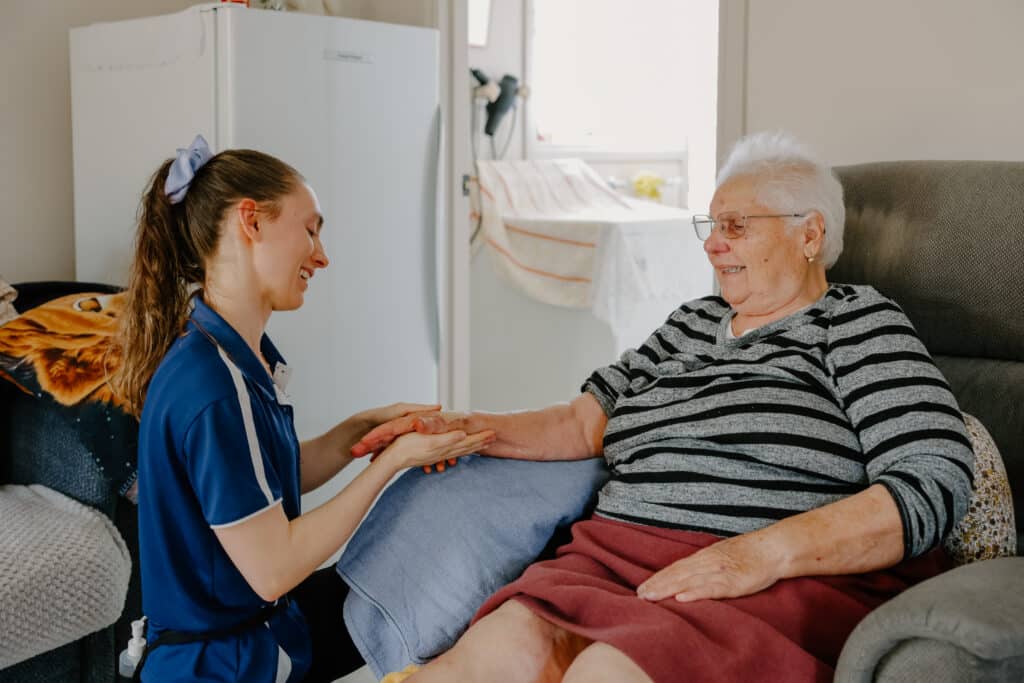
How different could remedial massage be for older adults in comparison to younger adults goes far beyond simply adjusting pressure or technique. Older adults present unique physical, emotional, and lifestyle considerations that shape their massage experience in ways younger adults do not.
If you’re an older adult curious about how massage can benefit you, or wondering how it differs from what younger people experience, this guide will help you understand what to expect and how a tailored approach can improve your comfort, mobility, and overall wellbeing.
If you are a massage therapist aiming to expand your practice or enhance your skills, understanding these distinctions is essential for safe and effective care.
Understanding the Ageing Body
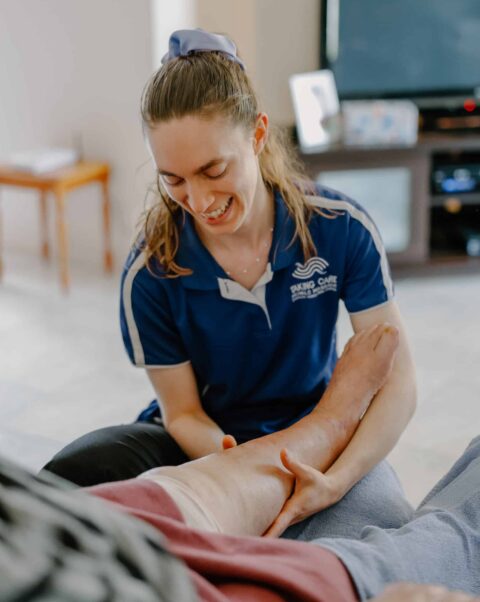 As people age, their anatomy and physiology change, affecting skin, muscles, bones, and connective tissue.
Older adults often have reduced muscle mass and elasticity, making some massage techniques uncomfortable or unsafe if applied with the intensity used on younger clients.
For example, a 70-year-old client with thinning skin and fragile capillaries needs a gentler touch than a 30-year-old athlete recovering from muscle soreness.
Bone density declines with age, increasing fracture risk, while joint flexibility decreases, limiting the range of motion during massage.
The World Health Organization’s facts on ageing offers helpful context about these changes and why they matter for therapeutic touch.
Conditions such as osteoporosis, arthritis, and cardiovascular disease are more common in older adults and require careful consideration in every session.
For clinical definitions and prevalence, see this Arthritis overview.
1. Communication and Comfort
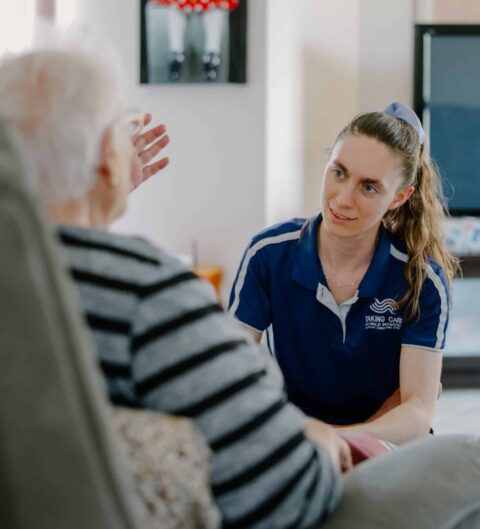 When providing remedial massage for older adults compared with younger adults, communication is key.
Older clients often appreciate therapists who check in regularly about comfort and pain levels.
Younger clients may tolerate intense pressure without comment, but older adults frequently need verbal reassurance and clear explanations of techniques.
For instance, a therapist working with an 80-year-old client may find that saying “Let me know if this feels too much” or “I can adjust this position” increases trust and improves outcomes.
Clear communication supports comfort and reduces anxiety during sessions.
2. Adapting Techniques
The techniques used in remedial massage for older adults differ from those for younger adults.
Geriatric clients benefit from slower, deliberate movements. Techniques such as myofascial release, gentle joint mobilisation, and lymphatic drainage are often safer and more effective than deep tissue or high-intensity sports massage.
This guide outlines how these adaptations will be discussed in the Massage with Confidence course from Taking Care Mobile Massage.

For example, a therapist might spend extra time around stiff shoulders and hips, applying light, sustained pressure to improve circulation and relieve tension. Younger adults, by contrast, may respond well to faster, deeper strokes designed to break down muscle knots.
Remedial massage for older adults also incorporates positioning techniques to minimise injury.
Because some older clients cannot easily reposition themselves, therapists provide safe support throughout the session.
3. Managing Chronic Conditions
A major difference when providing remedial massage for older adults compared with younger adults is the prevalence of chronic conditions. Older adults are more likely to have diabetes, heart disease, arthritis, or neurological disorders, all of which influence massage application.
For example, diabetes can reduce circulation and sensation in extremities, requiring careful monitoring for tenderness or numbness.
The Australian Institute of Health and Welfare explains the prevalence and implications on chronic disease.
Clients with arthritis may need extra joint support to prevent inflammation. Younger adults rarely present multiple chronic conditions, making their massage sessions generally simpler.
Therapists should review medical histories and adapt treatments to ensure safety and effectiveness for older clients.
4. Psychological and Emotional Factors
Emotional wellbeing is particularly important when providing remedial massage for older adults compared with younger adults.
Many older adults experience loneliness or isolation, and massage sessions can be a source of social connection and comfort in addition to physical relief.
This web report from the Australian Institute of Health and Welfare highlights the importance of social engagement in older adulthood.

Gestures like explaining each step, maintaining eye contact, and using a calm tone enhance the therapeutic experience, especially for clients who value relational warmth.
5. Session Length and Frequency
Session length and frequency differ for older and younger clients.
Older adults may tire more quickly, making shorter sessions ideal, while younger adults can often tolerate longer treatments. More frequent, shorter sessions can help older clients maintain mobility and manage chronic pain effectively.
For example, a 75-year-old with limited mobility may see better results from two 30-minute sessions per week rather than a single 90-minute session.
This approach improves comfort and provides consistent therapeutic benefits.
6. Environment and Accessibility

When providing remedial massage for older adults compared with younger adults, the environment must be comfortable and accessible.
Older clients may struggle to climb onto standard massage tables, requiring adjustable tables, bolsters, or extra support.
Temperature, lighting, and noise levels matter, as older adults may be more sensitive to cold or loud sounds.
A well-prepared environment reduces stress and encourages relaxation, while younger clients typically require fewer accommodations.
With Taking Care Mobile Massage’s Private In-Home Massage, therapists come to the clients’ home for their safety and convenience.
7. Safety Considerations
Safety is a primary concern when providing remedial massage for older adults compared with younger adults.
Therapists must consider fragile skin, weakened bones, cardiovascular conditions, and medications that affect circulation or healing. Blood thinners, for example, increase bruising risk, so pressure must be adjusted accordingly.
Chapter 7 of Fragility Fracture Nursing: Holistic Care and Management of the Orthogeriatric Patient highlights Pressure Injury Prevention and Wound Management
Falls and injuries are another factor. Therapists should clear pathways and assist clients when getting on and off the massage table.
Younger adults generally have better balance and resilience, reducing the need for intensive safety planning.
Benefits Unique to Older Adults
Despite the challenges, remedial massage offers profound benefits for older adults.
Improved circulation, pain relief, increased flexibility, and enhanced mental wellbeing are common outcomes.
Massage can also improve sleep, reduce stress, and boost mood—effects often more pronounced in older adults than younger ones.
Training and Education for Therapists
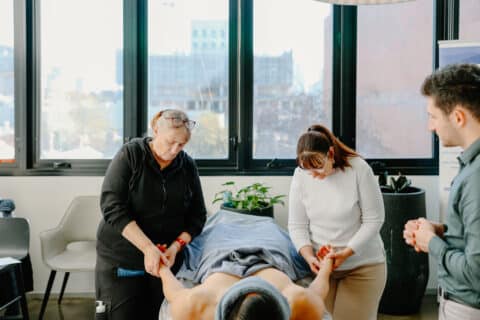
Therapists providing remedial massage for older adults need specialised training. Understanding age-related physiological changes, chronic conditions, and safe handling techniques is essential.
The Massage & Myotherapy Australia lists Massage with Confidence as one of its Endorsed Education Activities Program.
Regular work with older clients also develops observational skills, helping therapists notice subtle signs of discomfort or fatigue that younger clients may not exhibit.
FAQs
What type of massage is best for the elderly?
Gentle remedial massage, myofascial release, and lymphatic techniques are generally most suitable for older adults, accommodating fragile skin, joints, and chronic conditions.
What is a senior massage?
A senior massage is a therapeutic massage tailored for older adults, using gentle approaches that promote relaxation, circulation, mobility, and wellness.
What is the biggest safety issue for elderly clients receiving massage?
The main safety concern is injury from fragile bones, joint instability, or underlying health issues. Therapists must adjust pressure and monitor clients closely.
Which massage is best for senior citizens?
Remedial massage, gentle Swedish massage, and lymphatic drainage are typically safe and effective options for older adults.
What is the difference between a geriatric massage and a regular massage?
Geriatric massage is specifically designed for older adults, addressing age-related changes and limitations that regular massage may not fully accommodate.