
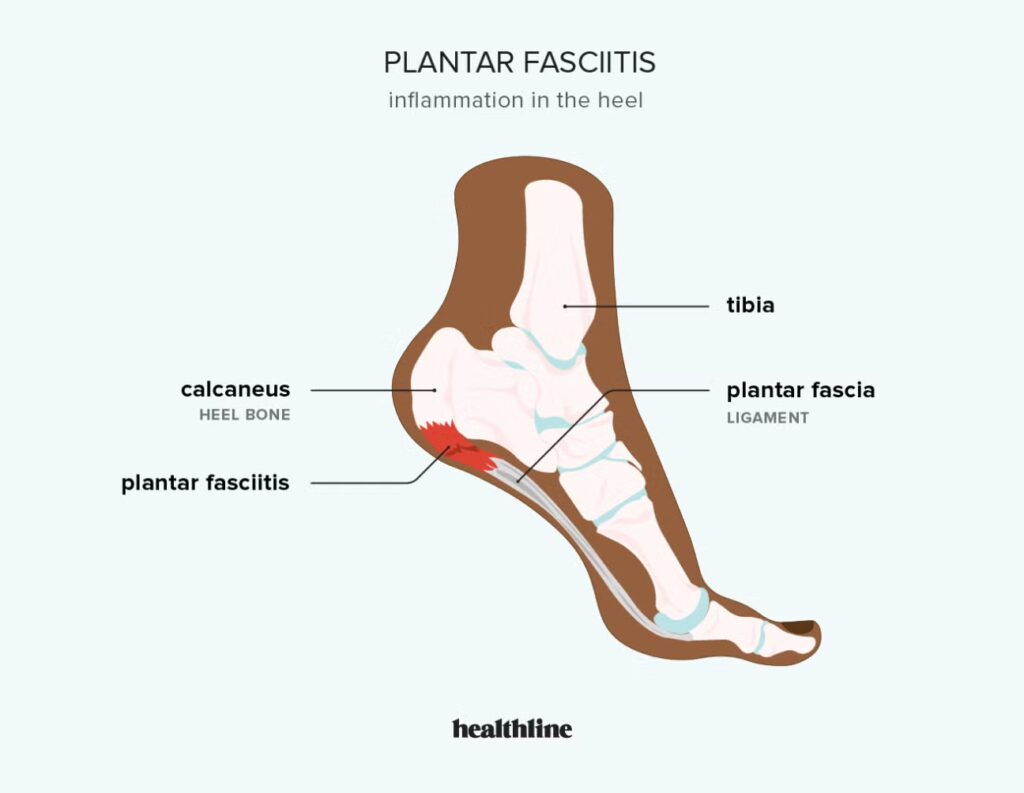
Plantar fasciitis is one of the most common causes of heel and foot pain in older adults and is frequently seen in aged care settings. For massage therapists working with elderly clients, understanding how this condition presents—and how massage can safely support comfort and mobility—is essential.
What Is Plantar Fasciitis?
Plantar fasciitis involves irritation or degeneration of the plantar fascia, a thick band of connective tissue running from the heel to the toes. In aged care clients, the condition often develops gradually due to reduced tissue elasticity, long-term load on the feet, or altered gait patterns.
Clients typically report:
- Sharp or aching heel pain, especially with first steps in the morning
- Increased discomfort after prolonged sitting or standing
- Tenderness along the arch or heel
- Reduced walking tolerance
Why It’s Common in Older Adults
Several age-related factors increase the likelihood of plantar fasciitis in aged care populations:
- Thinning of the fat pad under the heel
- Decreased flexibility in the calves and plantar fascia
- Reduced muscle strength and balance
- Arthritis or joint stiffness affecting gait
- Long periods of standing, shuffling gait, or inappropriate footwear
These factors can place repeated stress on the plantar fascia, leading to pain and inflammation.
The Role of Massage Therapy
Massage therapy does not “cure” plantar fasciitis, but it can play a valuable role in pain management and functional support when delivered appropriately.
Potential benefits include:
- Reduced muscle tension in the calves, ankles, and feet
- Improved circulation to the lower limbs
- Decreased pain perception
- Improved comfort during walking and transfers
- Enhanced relaxation and wellbeing
Massage Considerations in Aged Care
When treating older clients, especially those in residential care, gentle and thoughtful application is essential.
Best practice tips:
- Use light to moderate pressure, particularly around the heel
- Focus on surrounding structures (calves, Achilles tendon, intrinsic foot muscles) rather than aggressive fascia work
- Avoid deep or sustained pressure directly on the painful heel
- Monitor skin integrity, bruising risk, and sensitivity
- Adapt positioning to support comfort and joint limitations
Always communicate with the client and observe their response closely during treatment.
When to Refer or Modify Treatment
Massage therapists should work within their scope and refer when necessary. Red flags may include:
- Severe or worsening pain
- Sudden onset of swelling or redness
- Pain following a fall or injury
- No improvement despite consistent conservative care
Collaboration with physiotherapists, podiatrists, and nursing staff can improve outcomes for aged care clients.
Supporting Better Foot Health
Massage therapy is most effective when combined with broader care strategies such as:
- Appropriate footwear and orthotics
- Gentle stretching and mobility exercises
- Activity modification
- Regular foot care
By understanding plantar fasciitis and adapting techniques for the aged care population, massage therapists can provide safe, supportive care that improves comfort and quality of life.