
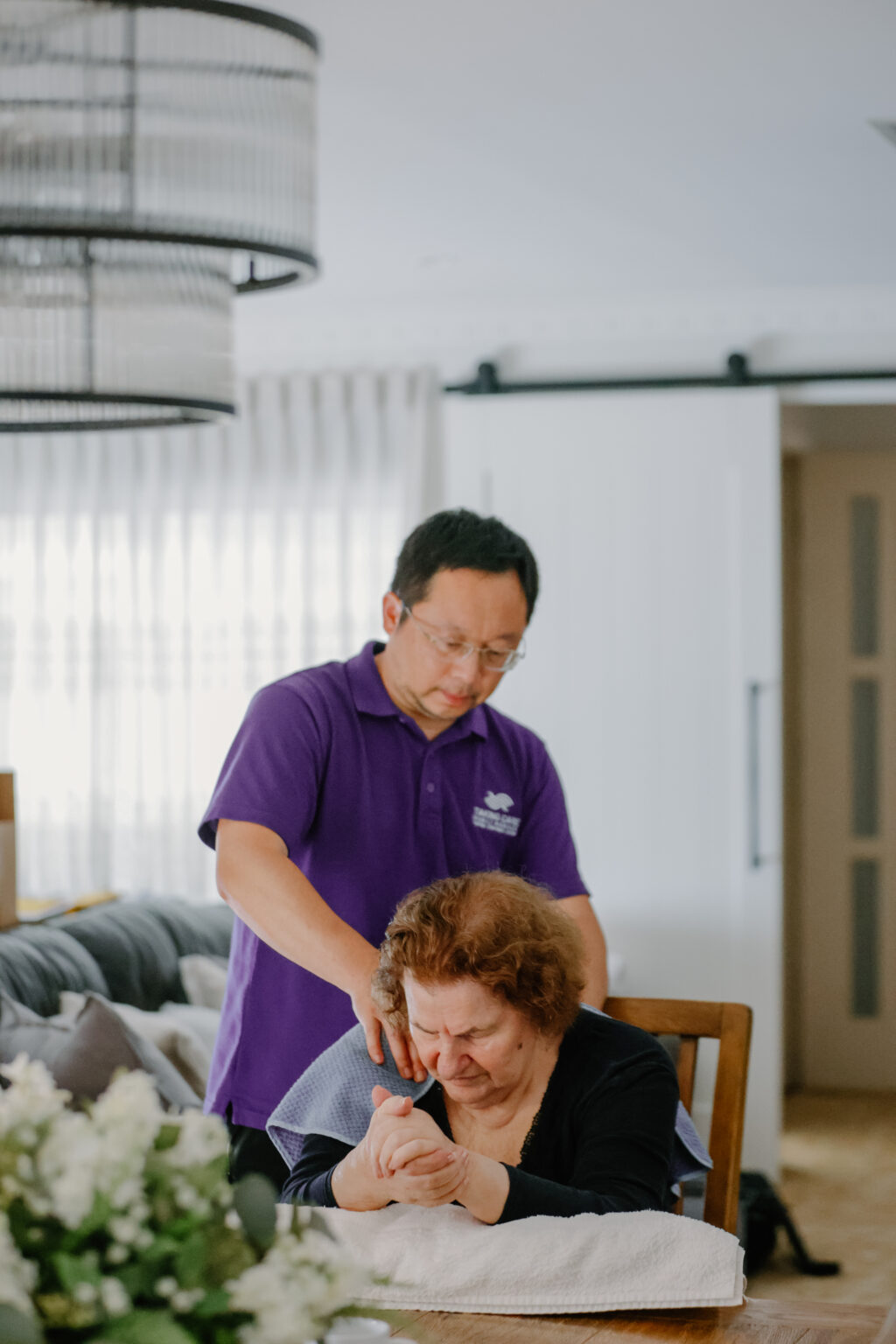
Ask a room full of seasoned massage therapists what they wish they had known at the beginning of their careers, and you’ll rarely hear “more techniques.” Instead, the answers tend to circle around confidence, communication, boundaries, and navigating the realities of real-world practice. These are lessons often learned the hard way, through experience rather than formal training.
Here are some of the most common insights experienced therapists say they wish they’d learned earlier.
Confidence Is a Skill, Not a Personality Trait
Many therapists enter the industry believing confidence is something you either have or you don’t. In reality, confidence is built through informed decision-making, reflection, and exposure to different client scenarios. Early in their careers, therapists often second-guess themselves, even when their clinical reasoning is sound. With time, they realise that confidence grows from understanding why you are doing something, not from having all the answers.
Experienced therapists often say they wish they’d understood that uncertainty doesn’t mean incompetence. It means you’re learning.

Real Clients Are Not Textbooks
Training environments are controlled. Clients are cooperative, conditions are clear, and sessions follow a predictable structure. In practice, clients bring complexity. They arrive with multiple conditions, emotional needs, communication challenges, and environments that don’t always support ideal setups.
Many therapists say they were surprised by how much adaptation is required in real-world settings. Learning earlier that flexibility is a core professional skill would have reduced anxiety and self-doubt in those early years.
Communication and Person-Centred Care Shapes the Entire Session
One of the most common reflections from experienced therapists is how much impact communication has on outcomes. This includes how you ask questions from a person-centred perspective, how you explain what you’re doing, and how you respond to client feedback during a session.
Early on, many therapists focus heavily on technique while underestimating the value of listening and collaborating with the client. Over time, they realise that clear, respectful communication with a person-centred approach builds trust, improves safety, and often matters just as much as hands-on skills.
Understanding client’s personal values, and preferences allows the therapist to modify the session to be more effective for the client instead of just the condition.
Boundaries Protect Both You and the Client
Boundaries are not just about saying no. They are about scope of practice, emotional limits, time management, and professional responsibility. Many therapists admit they initially overextended themselves, saying yes when they felt unsure or taking on emotional weight that wasn’t theirs to carry.
With experience comes the understanding that strong boundaries support better care. They allow therapists to practise sustainably and reduce the risk of burnout, resentment, or ethical missteps.

You Don’t Need to Know Everything
New therapists often feel pressure to have an answer for every situation. Experienced therapists learn that it’s acceptable to pause, seek clarification, refer on, or say they need to check something before proceeding.
Knowing your limits is not a weakness. It’s part of professional maturity. Many therapists wish they had learned earlier that safe practice includes recognising when something is outside their scope or experience.
Therapist Wellbeing Is Not Optional
Another common reflection is how physical and emotional demands accumulate over time. Without strategies for self-care, reflection, and workload management, even passionate therapists can struggle to sustain their careers.
Experienced practitioners often say they wish they’d treated their own wellbeing as part of their professional responsibility from the beginning, rather than something to address once problems appeared.
Confidence Grows With Support, Not Isolation
Finally, many therapists reflect on how isolating early practice can feel. Working alone, questioning decisions, and lacking feedback can slow confidence development. With hindsight, they recognise the value of mentorship, continued learning, and professional communities.
Learning earlier that confidence is strengthened through support, not solo struggle, can make a significant difference in how a career unfolds.
A Lesson Worth Passing On
The common thread across these reflections is that technical competence is only one piece of the puzzle. Confidence, communication, boundaries, adaptability, and self-awareness shape long-term success just as much as hands-on skill.
For therapists at the beginning of their journey, these lessons don’t need to be learned the hard way. Awareness alone can help normalise uncertainty and encourage thoughtful, confident growth over time. Grow your confidence with Taking Care Mobile Massage today!