Scoliosis is a common spinal condition seen in aged care settings and often presents differently in older adults than in younger populations. For massage therapists working with elderly clients, understanding these differences is essential for providing safe, effective, and supportive care.
Understanding Scoliosis in Older Adults
Scoliosis refers to a sideways curvature of the spine, often accompanied by spinal rotation. In aged care clients, scoliosis is usually degenerative, developing later in life due to age-related changes rather than being present from adolescence.
Common contributing factors include:
- Degenerative disc disease
- Osteoarthritis of the spine
- Osteoporosis and vertebral compression fractures
- Long-term postural changes
- Muscle weakness and imbalance
Many older adults may not have a formal diagnosis but present with visible postural asymmetry.
How Scoliosis May Present in Aged Care
Signs and symptoms in older clients can include:
- Uneven shoulders, hips, or rib cage
- Forward-flexed or side-bent posture
- Chronic back, hip, or neck pain
- Muscle fatigue or tightness on one side of the body
- Reduced balance and walking tolerance
- Difficulty maintaining upright posture when seated or standing
Pain is often related more to muscle strain and joint stress than to the spinal curve itself.
The Role of Massage Therapy
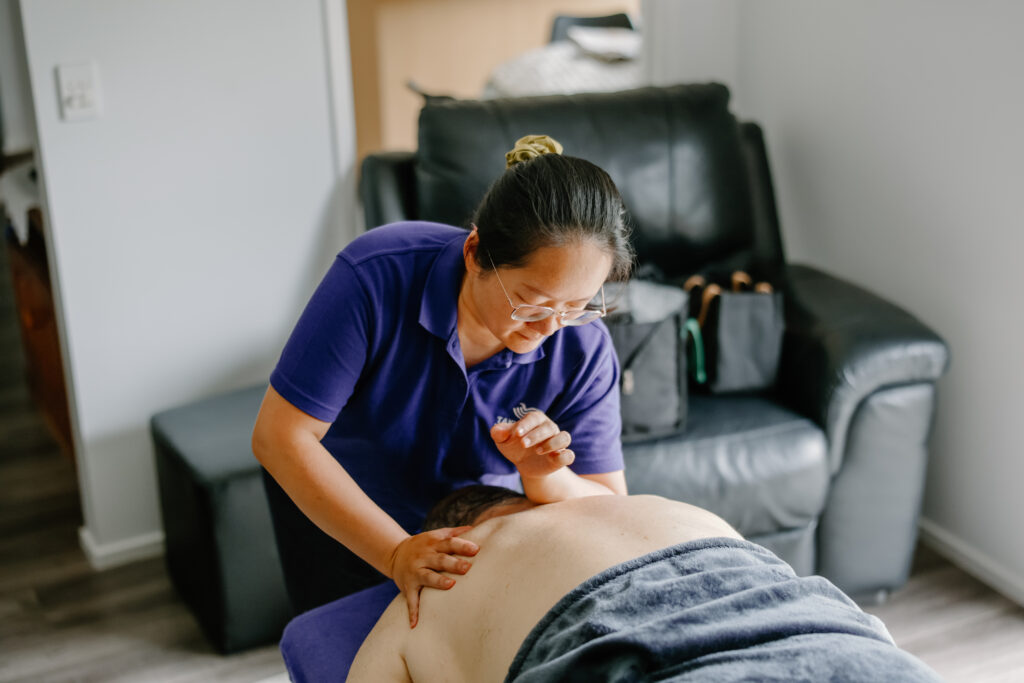
Massage therapy can provide valuable symptom relief and comfort for aged care clients with scoliosis when delivered with care and clinical awareness.
Potential benefits include:
- Reduction in muscle tension and guarding
- Improved circulation to affected areas
- Decreased pain and stiffness
- Enhanced body awareness and relaxation
- Improved comfort in sitting, standing, and mobility
Massage can be particularly helpful for managing the secondary muscular imbalances that develop around a curved spine.
Treatment Considerations for Massage Therapists
Working with scoliosis in elderly clients requires gentle, adaptable techniques and ongoing assessment.
Key considerations include:
- Use light to moderate pressure, especially in clients with osteoporosis
- Focus on hypertonic muscles on the concave side of the curve
- Avoid forceful spinal mobilisation or deep pressure over bony prominences
- Support comfortable positioning with pillows or bolsters
- Work within pain-free ranges and monitor client feedback closely
Each client’s scoliosis will be unique, so treatment plans should be individualised.
When to Modify or Refer
Massage therapists should refer or modify treatment if clients experience:
- Sudden or worsening pain
- Neurological symptoms such as numbness or weakness
- Pain following a fall or fracture
- Significant discomfort during or after treatment
Collaboration with physiotherapists, occupational therapists, and nursing staff can enhance safety and outcomes.
Supporting Postural Comfort in Aged Care
Massage therapy is most effective when combined with other supportive strategies, including:
- Appropriate seating and postural supports
- Gentle movement and strengthening programs
- Regular repositioning for bed-bound clients
- Ongoing interdisciplinary communication
By understanding scoliosis in the aged care population and adapting massage techniques accordingly, therapists can provide meaningful, comfort-focused care that supports mobility, dignity, and quality of life.
Therapists wanting structured training in conditions like this can start with our Massage with Confidence course.